One of Scotland’s most important places for nature saved from destruction
Scottish Ministers have today announced that they will save the internationally important wildlife site at Coul Links from a golf development that would have caused permanent and irreversible damage.
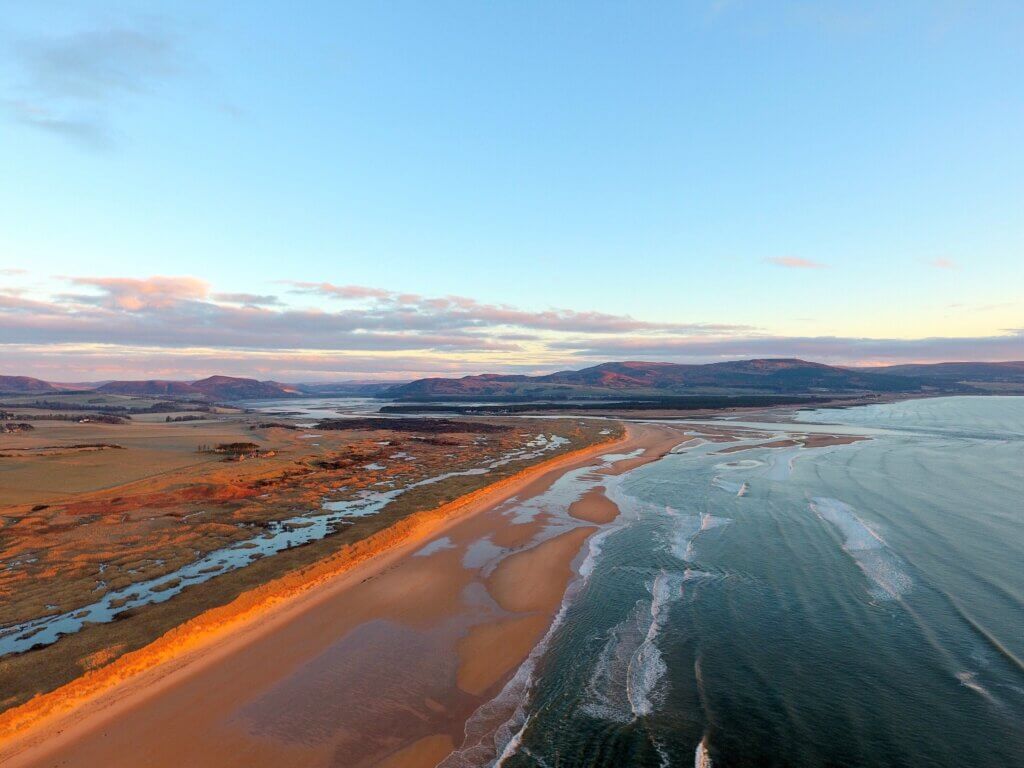
This echoes a previous decision made in 2020, when similar plans for an 18-hole golf course at the site near Embo, East Sutherland, were refused.
Those welcoming today’s decision hope it will be the last time the area needs to be defended against similar threats and that this outcome will send a clear signal that developments that damage our most important places for nature in Scotland will not be supported.
Today’s decision by Ministers follows a public inquiry into the planning application after which the report to ministers recommended refusal. The decision letter outlined that Scottish Ministers agreed “that the proposed development would result in significant adverse effects on nationally and internationally important habitats and species”.
It comes after tens of thousands of people spoke out to save Coul Links from development, including hundreds from the local area.
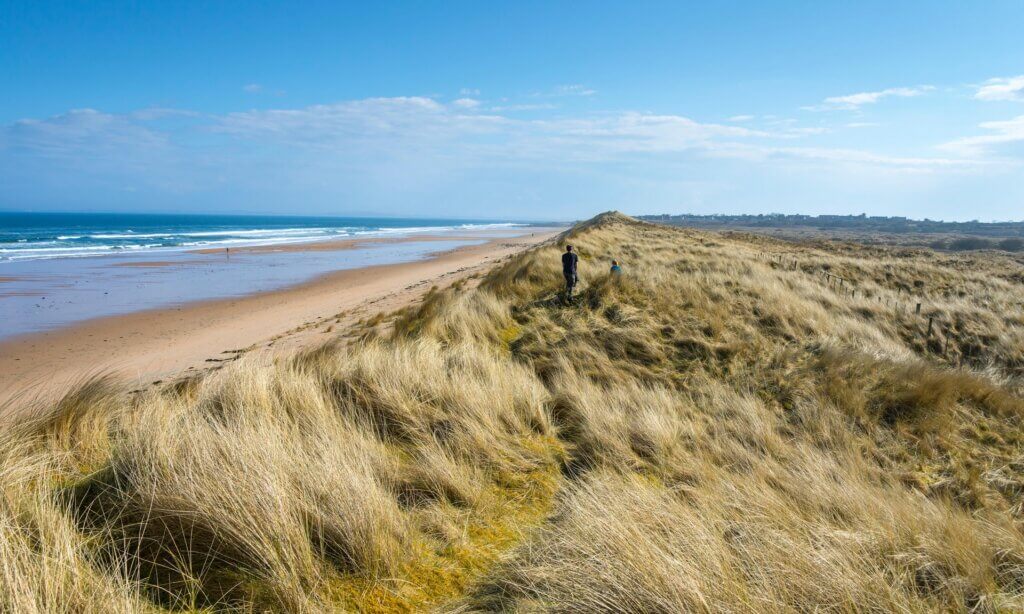
Coul Links is a unique and beautiful, natural coastal landscape on the East Sutherland coast. It is home to a complex and diverse mix of plants and animals, some of which are very rare, including a globally endangered insect, the Fonseca’s Seed Fly (Botanophila fonsecai).
The site is also part of three legally protected nature sites: a nationally important Site of Special Scientific Interest (SSSI), an internationally important Special Protection Area (SPA) for birds, and a Ramsar site for its internationally important wetlands.
Despite the area being designated as important for wildlife and nature, the latest controversial plan to transform the area into a golf course was proposed less than seven months after the previous similar golf course proposal was refused by ministers.
Seven charities which together make up The Conservation Coalition, all objected to the proposals that would have seen the area irreparably damaged to make way for a golf course. They have repeatedly stated that the continued protection of Coul Links is vital to Scotland’s efforts to protect nature and the important habitats that species need to thrive as well as achieve Scottish Government commitments to protect 30% of land and sea by 2030.
Following today’s decision there is a feeling of both happiness that so many people came together to stand up for nature – more than 20,000 people contacted the Minister since the proposals were called in and many more people have voiced concerns for Coul Links over time – and of relief at the conclusion of what has been a long and difficult process for everyone involved.
Craig Macadam, Co-Leader and Director of Conservation at Buglife, said: “The Scottish Government have delivered the right outcome for wildlife and stepped in to ensure that some of our last remaining intact sand dunes habitats are protected. We’ve been fighting to save Coul Links for many years now, with the support of thousands of people who agree that we should be doing everything we can to care for our unique, irreplaceable habitats and the species that call them home. This was never the right place for a golf course, and we’re delighted that common sense has prevailed – now plans can be put in place to make sure it is managed for future generations and its special invertebrates”
Dan Hoare, Director of Nature Recovery at Butterfly Conservation, said: “We are very pleased that this inappropriate plan to build a golf course on a SSSI has been rejected in order to protect precious wildlife. The importance of the site for its butterflies and moths was highlighted in ministers’ refusal of the original application, stating that the application site contains an unusually rich assemblage of butterflies and moths, including rare species. That judgement has rightly been upheld.”
Diarmid Hearns, Interim Director of Conservation & Policy for NTS: “The National Trust for Scotland joins our coalition partners in welcoming this decision which will protect the unique, nature beauty and heritage of this important habitat for the future.”
Jenny Hawley, Policy & Advocacy Manager at Plantlife said: “Today’s decision to safeguard Coul Links — home to a rich diversity of plants, rare, threatened and specialist birds and insects — is a major victory for nature. By upholding long-standing legal protections, Scotland has sent a clear message: protected sites are just that – protected for nature. This clarity should help prevent future applications for developments on protected sites.”
Duncan Orr-Ewing, Director of RSPB Scotland, said: “We are relieved and uplifted at today’s decision by Ministers which recognises the incredible importance of Coul Links, a view shared by thousands of people across the UK. It is a very special place for nature and allowing this development would have damaged it beyond repair.
This is the second time that thousands of people have said this is not the right location for a golf course and the second time Ministers have refused permission following recommendations from a public inquiry. We hope developers will now realise that this type of damaging proposal, that goes against planning policy and harms protected sites, will not be accepted.
Places like Coul Links should be at the heart of the Scottish Government’s commitment to nature recovery, so future generations can benefit from a resilient environment where wildlife thrives. Scotland can halt and reverse nature loss but only if we protect the most important places for nature.”
Jo Pike, Chief Executive, Scottish Wildlife Trust, said: “We’re pleased that Scottish Government Ministers have listened to the public inquiry’s recommendation, and to the thousands of people who spoke up for nature at Coul Links. Thank you to everyone who supported this cause. Going forward, it is essential that designations such as those at Coul Links are used to quickly assess when a site is unsuitable for development.
This process and outcome show how highly the people of Scotland value nature and how much they are willing to fight for it, no matter how many challenges we face. Nature is our life support system, and it must be protected if we are to build a sustainable and resilient future for generations to come.”
ENDS
See previous blogs about Coul Links
August 2016, November 2017, August 2018, August 2018, August 2018; December 2018, March 2019, March 2019, December 2019, February 2020, July 2022.
[registration_form]